Guide
How to Become a Boxing Promoter
Plenty of people around the sport dream of putting on their own shows. Few understand what the first step really looks like. This guide explains, in general terms, how people become boxing promoters, what commissions usually ask for, where the money comes from and why the first shows are the hardest. It is not legal advice.
Where most promoters come from
There is no single path into promotion. Some promoters were fighters, trainers or managers who knew the local scene and decided to run their own events. Others came from business, event management or broadcasting and saw an opportunity. A few started as fans who sold tickets for a local gym and slowly took on more responsibility until they were running the whole night.
What they share is a network. Before anyone can promote a show, he needs fighters willing to appear on it, a venue willing to host it, officials and medical staff to make it legal, and fans willing to buy tickets. People who already work in boxing have a head start because they know who to call, and who not to trust.
Getting licensed
In most places where professional boxing is regulated, a promoter needs a license from the local boxing commission or national boxing authority. Requirements vary widely between countries, states and provinces, so the first job is to find out who regulates boxing where you want to hold events and to read their rules carefully. Some regions have strict, detailed requirements. Others have very few.
Common requirements include an application, background checks, fees, proof of financial standing, and often a bond or deposit that guarantees fighters and officials get paid. Many commissions also require insurance and want to approve each event in advance, including the fighters, the medical arrangements and the venue. If you are serious, talk to the commission directly and get qualified legal advice, because this guide cannot replace either.
- Find the commission or authority that regulates pro boxing in your area
- Check its application, fee, background and financial requirements
- Ask about bonds, insurance and how far ahead events must be approved
- Get legal and accounting advice before you commit money
The money you need before the first bell
Promotion is a business where you spend first and earn later, if at all. Before the doors open, a promoter has usually committed to fighters' purses, venue rent, officials, ringside doctors, ambulance cover, the ring itself, security, travel, hotels, marketing and insurance. Most of that has to be paid whether you sell a full house or a handful of seats.
New promoters usually start small: local halls, short cards and fighters with nearby fan bases who can sell tickets themselves. Income comes from the gate, and sometimes from local sponsors, a small streaming or broadcast deal, or a venue that wants the event enough to help. Many first shows lose money. The promoters who last are the ones who planned for that and could afford to run a second show anyway.
Relationships are the real capital
A license lets you promote. Relationships let you promote well. You need managers and trainers who trust you with their fighters, matchmakers who can find competitive opponents, venues that will give you good dates, and local media who will mention your show. Every one of those relationships is built by doing what you said you would do, and most of all by paying people on time.
Reputation travels fast in boxing. A promoter who pays late, misleads fighters about opponents or cancels at short notice will find that nobody returns his calls. One who runs clean, safe, well organized shows, even small ones, gets a second chance from everyone in the room. Over time, that is how small shows become regular events and regular events become a promotion.
The risks nobody advertises
Fights fall through. A fighter gets hurt in camp, misses weight or simply pulls out, and the promoter has to find a replacement or rework the card days before the event. Ticket sales can stall. A broadcaster can walk away. The commission can refuse to approve a matchup it considers unsafe, and it is right to do so. Each of these costs money, and the promoter carries it.
There is also the risk that comes with success. When one of your fighters starts winning, bigger promoters may try to sign him, and his contract may or may not protect your investment. Promotional contracts, options and co-promotion deals are where many young promotions are made or broken, which is why experienced promoters lean so heavily on good lawyers.
- Late withdrawals and replacement opponents
- Slow ticket sales and empty seats on camera
- Matchups the commission will not approve
- Losing a rising fighter to a bigger rival
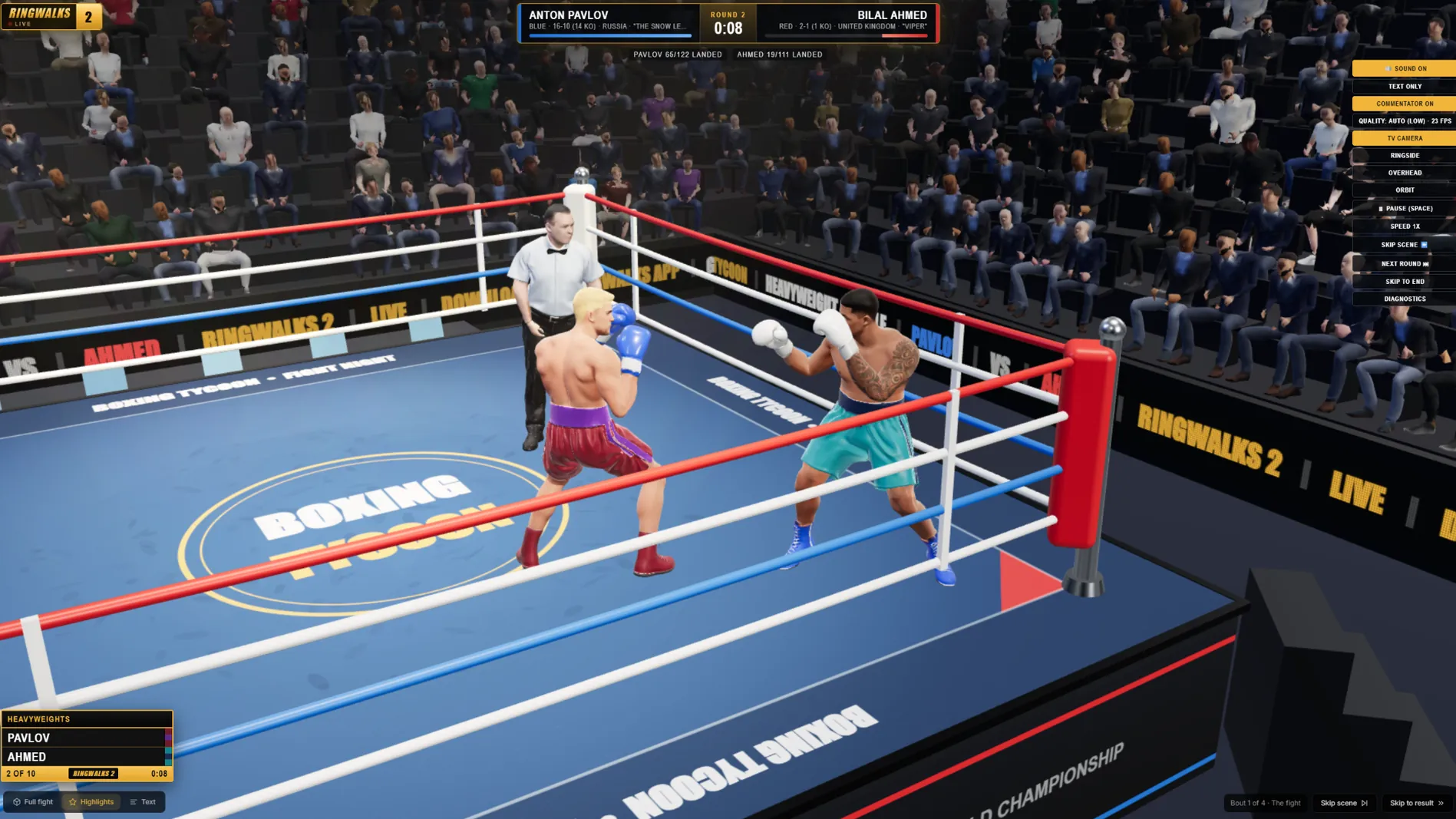
Becoming a promoter in Boxing Tycoon
Boxing Tycoon lets you try the job without the real risk. You start with $1,000,000, an empty roster and a name nobody has heard of, and build every show yourself: the date, the venue, the card and the hype.
The real-world lessons still apply. Purses, staff, gyms and camps all cost money before a ticket is sold. Pay what you promised, because people remember. And the Boxing Commission is watching: step out of line and you will hear from it.